
I’m a completely different person from who I was in my 20s, and there are things I stopped buying along the way that made my life genuinely better, not just cheaper..
Back then, every weekend meant hanging out at the mall with friends, hunting for things on sale. If I found a good discount, I was thrilled. I genuinely loved shopping. I didn’t know the difference between a need and a want. I didn’t even know what investing was.
I thought investing was a big word meant for wealthy people. People with lots of properties, employees working for them, more money than they knew what to do with. Not people like me. So I never even tried to learn about it. [If that sounds familiar, this is exactly why I wrote Investing for Beginners in the UK: A Guide for Stay-at-Home Mums Who Think They Can’t Afford It.]
I’d hear words like “stock market” now and then, and honestly, it sounded like gambling to me. If you don’t know what you’re doing, isn’t that exactly what gambling is? So I never bothered looking into it either.
And because I wasn’t earning much, I convinced myself there was no point saving $50 or $100 a month. What difference could that possibly make? I completely underestimated the power of small, consistent saving, and what compounding could do with it over time.
Looking back now, I have so many regrets about money. But my biggest one isn’t a bad investment or a purchase I couldn’t afford. It’s that I never set money aside for myself, every single month, no matter how small the amount.
That money, even if I hadn’t known what to do with it back then, could have become my emergency fund. Or a lump sum I could invest today, now that I actually understand how. Instead, it simply didn’t exist. [If you haven’t got one started yet, I’ve written about exactly why this matters in The Financial Safety Net Every Stay-at-Home Mum Needs.]
I think when you’re on a low income, every small purchase on sale feels like a win. Saving feels pointless when the amount you can spare is so small, so you don’t even try. You tell yourself you’ll start once you’re earning more.
That mentality is completely wrong, and I know because I lived it.
I underestimated the power of small, regular saving. My mother has a saying I never gave much weight to at the time. She always said that saving small is like an ocean, formed from drops of water accumulated over a long period of time. I didn’t understand what that really meant until much later. It’s compounding. Small savings compound, and if you know how to invest what you save into something like index funds in the stock market, that growth can accelerate even further. MoneyHelper has a clear explanation of how compound interest actually works, if you want to see the maths behind it.
Starting small isn’t just about the money you save now. It’s about building the habit. Because without that habit, more income doesn’t actually solve anything. Plenty of high earners have equally high expenses, and end up living paycheck to paycheck with the exact same money anxiety as someone earning far less, just with fancier things to show for it. Without good habits already in place, more money almost always just means more spending. The habit is what makes the difference, not the amount you start with.
So please, start saving. It doesn’t matter if it’s $50 a month or $10 a month. It doesn’t matter if you save the same amount every month, or a different amount depending on what’s going on in your life. Even if it’s just $5 some months, set it aside. [If you want a simple place to start, I’ve written a full guide on How to Start Investing in the UK With Just £50 a Month.]
Name it. Emergency fund. House deposit. Financial freedom. Travel. Business start-up. Whatever it is, give it a name.
When you name your savings pot, you give that money a purpose. You know exactly what you want it to do. And once your money has a job to do, saving or investing towards it feels so much easier. Without a name, without a clear idea of what you actually want your life to look like, money tends to just get spent.
Reading Die with Zero pushed this along. The author’s point isn’t to find a magic number. It’s to use your money to build the life you actually want, rather than hoarding as much as possible for a future that may never look the way you imagined. The idea that stuck with me most was that your money is supposed to serve your life, not the other way around. [It’s one of several books that genuinely shifted how I think about money — I’ve listed the rest in 10 Beginner-Friendly Finance & Investing Books That Changed How I See Money.]
That idea gave me permission to stop chasing the biggest retirement pot possible and start focusing on building a retirement that was enough for me.
That’s not permission to spend recklessly. It’s a reminder that “enough” is personal. It depends on the retirement you’re actually planning for, not a figure someone else worked out for a completely different life.
Here’s what I’ve learned since then. Your retirement number isn’t $1 million. It never was, not for most people, and definitely not once you sit down and work out what your own retirement actually costs.
Somewhere in the middle of working all of this out, my priorities changed. And once they did, I noticed there were things I stopped buying almost without realising it, things I used to spend money on without a second thought.
Once these mindset shifts settled in, I noticed something practical happening. There were entire categories of things I used to spend money on that I simply stopped buying, not because I was forcing myself to be frugal, but because my priorities had changed. Here’s what they were.
1. Fast Fashion — One of the First Things I Stopped Buying
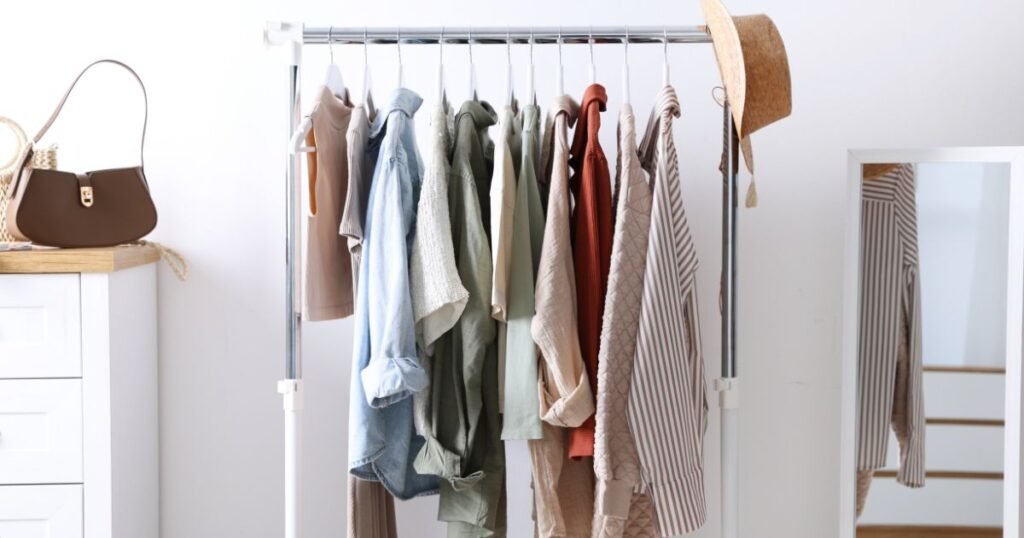
In my 20s, a good discount at the mall could make my whole weekend. I loved shopping. I never thought twice about buying something just because it was on sale, whether I truly needed it or not.
What changed wasn’t a single moment. It was realising how much I wanted financial freedom, more than I wanted stuff.
A trip to Nepal was where it really clicked for me. I was travelling with my family on a pilgrimage to sacred Buddhist sites, and I remember feeling genuinely, deeply happy with almost nothing. A light suitcase. Three or four outfits. Enough money for accommodation, food, and travel, which cost a fraction of what it does back home. That was it. That was enough.
I even found myself thinking I didn’t need a kitchen full of utensils, or a house full of things. A house ties you to one location. And staying in one place for years means you quietly accumulate more and more, until moving anywhere, even travelling, starts to feel heavy. All that stuff doesn’t just take up space in a cupboard. It takes up space in your head.
What I wanted instead was to keep travelling, learning, and receiving teachings from Buddhist masters in India and Nepal. Once I saw money as a tool for that kind of life, rather than a way to buy more things, my desire to own clothes just faded. They started to feel like junk. A waste of money that didn’t move me any closer to the life I actually wanted.
I still like dressing decently. But now I’d rather own a handful of things I actually love and take care of, than a wardrobe full of things I bought because they were 30% off. I own a few good cashmere jumpers, for instance, and I don’t need to buy new ones every winter, because what I have is good quality, keeps me warm, and lasts.
Once I stopped chasing sales, I still needed a wardrobe that actually worked, so I built it around a capsule approach instead. I stuck to a handful of colours: white, black, navy, beige, and grey. That was the rule. If it didn’t fit one of those five, I didn’t buy it.
That one decision solved the “I have a full closet and nothing to wear” problem I used to have all the time. Because everything shared the same colour palette, everything coordinated with everything else. I leaned towards smart casual pieces, so nothing felt sloppy, and every so often I’d add in a small pop of colour, a bright blue scarf, or a maroon jumper, just enough to keep things interesting without breaking the system.
The result is that I buy far less, and I actually wear what I own. Every single piece earns its place, instead of sitting there unworn while I keep buying more.
2. Expensive Acne and Skincare Products
I’ve had skin problems since my late teens. Every month, without fail, I’d get hormonal breakouts along my chin. Not small spots either. Deep, cystic, painful ones that sat under the skin for days without ever coming to a head. I’d get four or five of them around my period, and by the time those finally healed, ovulation would bring a fresh batch. It never stopped.
I spent so much money chasing a fix. Some products did work, for a while. But they came at a cost. My skin started ageing faster than it should have. I remember smiling and seeing fine lines I shouldn’t have had yet, from skin that had been dried out for years. And the moment I stopped using them, the same painful breakouts came straight back.
I didn’t want to see a dermatologist. From what I’d read, it usually meant being prescribed something like Accutane, or long-term topical creams, and by that point I’d lost all faith in treating my skin from the outside. I believed the problem was coming from somewhere inside my body, and that’s what I actually needed to fix.
So I stopped buying acne products altogether. I didn’t use anything on my face except a moisturiser. Instead, I went to see a Tibetan herbal practitioner at Men-Tsee-Khang, who told me it was a hormonal imbalance. He prescribed a month of herbal pills, which I took without missing a single day, and I cut out anything spicy, especially the Indian food I loved.
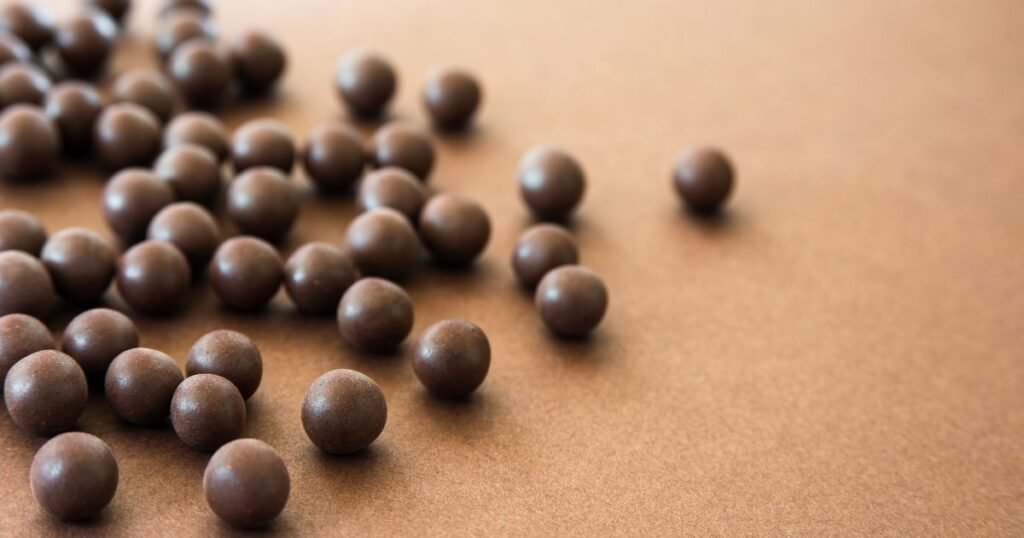
A month later, nothing had changed. I went back. He adjusted the prescription slightly and gave me another month’s worth. Still nothing by the end of month two. I went back again, another small adjustment.
Then, about a week into month three, something shifted. My breakouts got smaller. Less deep. By the end of that third month, I wasn’t breaking out at all. Not during my period. Not during ovulation. For the first time in my life.
I’ve since stopped taking the pills, but the pattern still holds. If I’m careless with spicy or oily food for too long, the breakouts creep back, and I go back to the herbal pills again. The results are never fast. They only really show up alongside a genuinely restricted diet. But they get to the actual root of the problem, rather than just masking it, and they’ve never once damaged my skin the way those expensive creams did.
My only real regret here is not going to see a Tibetan doctor years earlier. It would have saved me a lot of money, and a lot of unnecessary damage to my skin.
3. A New or Expensive Car
I don’t buy expensive cars. My first car was already four years old when I bought it second hand, and I’m still driving it nine years later. It gets me where I need to go. No car finance hanging over me. And I’ve no plans to change it unless it genuinely breaks down beyond repair, or fixing it costs more than simply buying another second hand car.
I have nothing to prove to anyone. I don’t need a car, or anything else, to show people I’m doing well. To me, the biggest win with money isn’t a nice car sitting on the driveway. It’s sleeping peacefully at night with no money worries, on a path where your money is working for you, bringing in enough income to fund a modest life without needing to show up to traditional work at all.
4. The Latest Phone or Gadget
My iPhone is five years old, and it still works perfectly. It checks my emails from my children’s school, tops up their food account balance, takes photos and videos, and handles every bit of admin I need it to. I’m happy with it. I have no intention of upgrading it any time soon.
There’s a real sense of freedom in not feeling any pull to show off to anyone. I don’t need the latest gadget, or a luxury handbag, to feel confident in myself or to signal to other people that I’ve “made it.” That was never the goal.
My goal is to learn and study Buddhism, to receive teachings from Buddhist masters, and to have enough money to live a comfortable, modest life. And “comfortable” might look completely different for me than it does for you. When we travel, we don’t stay in luxury hotels. We stay somewhere modest, clean, and safe when we need to, and when we’re in India, I stay at my parents’ house.
What I actually want is enough money to cover flights, books, the occasional hotel, good and healthy food, some donations to monks, and all my bills. That’s it. That’s the whole target. I’m building my investment account for exactly that reason, so that one day I can live off it entirely, without needing to go back to traditional work to afford the life I actually want. [If you’re wondering what that number even looks like, I’ve walked through exactly how I worked mine out in How Much Do I Need to Retire in the UK? Why Your Number Might Be Lower Than You Think.]
5. A Brand New Laptop
When I started blogging, I needed a proper laptop for Canva and writing, and I wanted an Apple one specifically, since it syncs so easily with my iPhone. But I wasn’t willing to pay full price for it.
Instead, I found one in excellent condition on Back Market. I paid £700, plus another £50 a couple of years later to replace the battery. It’s served me brilliantly the whole time, and all in, I saved myself over £800 compared to buying new.
What this comes down to is thinking about the purpose a gadget needs to serve, rather than chasing the feeling of owning something brand new. That mindset alone has let me get genuinely good equipment for a fraction of the price. And honestly, if you’re at all worried about what other people think, nobody needs to know it’s second hand unless you tell them.
6. A Bigger House, Before We Were Ready
Since my husband often travels for work, we lived in a one bedroom house with our two children until my eldest was 14, purely to save money. It wasn’t always easy. We couldn’t have playdates at our place, simply because there wasn’t the space for it.
But staying in that small house meant we could save enough to buy our next house outright, in cash, with no mortgage.
Not everyone around us understood that choice. Some relatives in particular mocked us behind our backs, calling us poor. My husband never let it bother him. And I made sure it never distracted us either. We were living simply and staying focused on financial freedom, so that one day it would pay for the lifestyle we desire without having to exchange time for money.
Don’t compare your journey to anyone else’s. Having a clear goal, and knowing you’re already on the path to it, should be enough to keep you steady when a friend shows up with a flashy new car, or a designer handbag you don’t have. Don’t let yourself feel small over not owning the same Chanel bag, the same Louis Vuitton, the same Cartier bracelet, that someone else is wearing. That money could be working for you instead, quietly building your financial freedom in a low cost index fund. [I’ve written more about this shift in mindset in Financial Freedom Over Designer Bags: The New Definition of Wealth.]
I know not everyone has a supportive partner. Some partners can be manipulative or narcissistic, and use a non-working spouse’s financial dependence against them, regardless of gender. As the one staying home to care for the family, it can feel completely natural to put everyone else first. But when the children grow up and leave, a non-working spouse without their own financial footing can suffer badly if their partner isn’t genuinely supportive. [This is exactly why I wrote 5 Financial Struggles of a Stay-at-Home Mum (And How to Build Financial Independence), if this feels close to home.]
Sorting out your own financial security isn’t about greed, or loving money. It’s about having options. Choices. Security. Freedom. That’s not the same thing as chasing luxury, though there’s nothing wrong with wanting that either, if that’s genuinely what you want for yourself. What I’m talking about here is using money as a tool, not as something to worship or something to fear.
7. Regular Beauty Salon Visits
I don’t get my nails done. Gel manicures never last long on me anyway. My hands are busy all day, cooking, doing household chores, washing up, so paying for a manicure that chips within days never felt worth it. On top of that, gel colours left my nails weak and brittle every time I used them.
Hair is much the same story. I keep mine at a manageable mid-length, and when it gets a bit too long, I simply ask my husband to cut it straight. Once a year, when I visit India, I get one proper cut, and it lasts me pretty much the whole year until my next trip. Beyond that, I hardly go near a salon unless I genuinely need to.
8. Subscriptions I’m Not Actually Using
I’ve become quite ruthless about subscriptions. My Amazon subscription, for instance, only runs in months when I actually know I have things to buy. The moment that month’s shopping is done, I cancel it, and I resubscribe again whenever I need it next.
Audible is one I’ve kept, because I genuinely use it. As a busy mum, audiobooks fit into my day in a way that sitting down with a physical book often doesn’t, and most of what I listen to is personal finance, investing, or self-development.
When our internet bill was about to jump, I called our provider and negotiated it down to half the price, with Netflix (the ad-supported version) bundled in. The ads are minimal, so it’s a trade-off I’m happy to make.
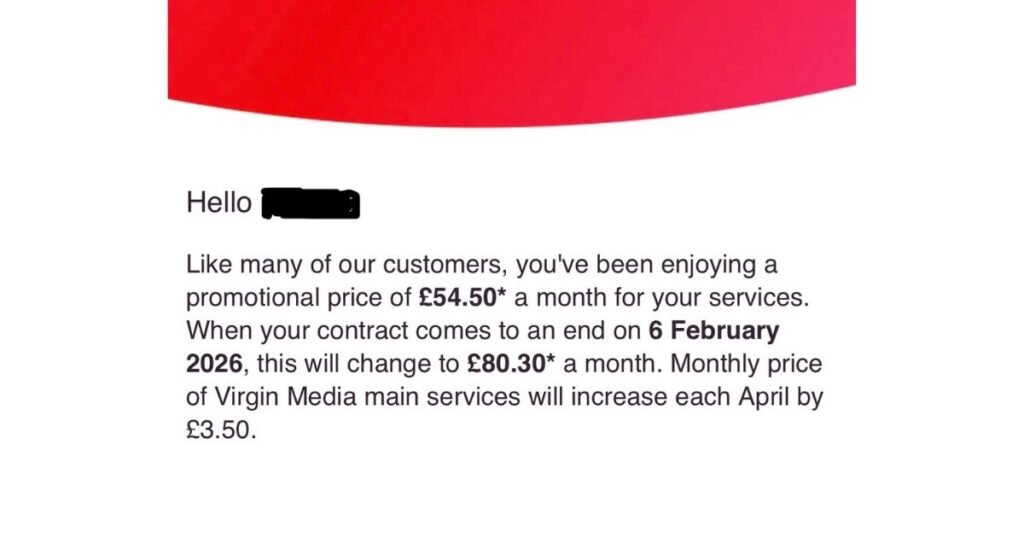
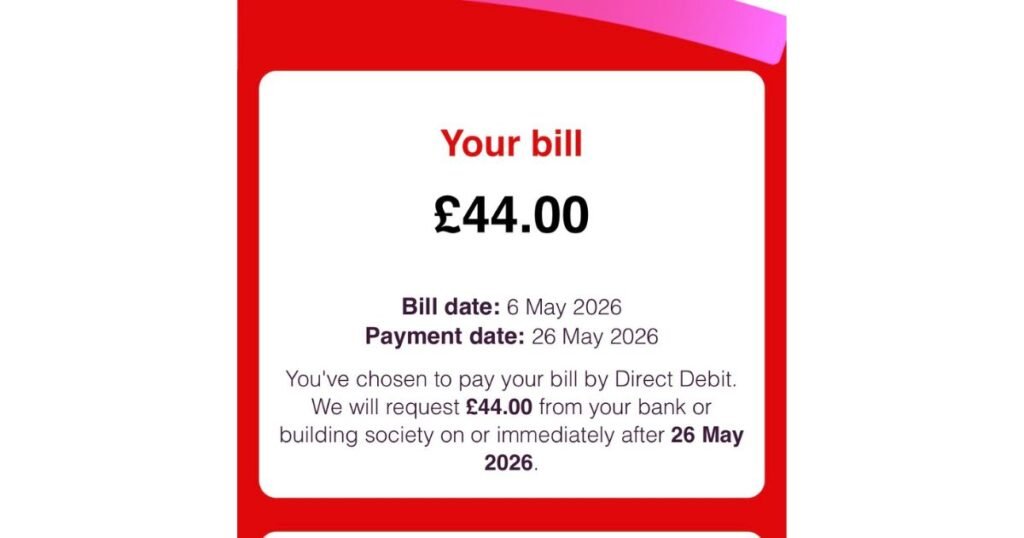
My advice here is simple. Go through every subscription you’re paying for and ask honestly whether it’s bringing value to your life. If you only use something occasionally, don’t keep it running all year round. Subscribe for the month you need it, then cancel. Set a calendar reminder two or three days before your renewal date, so you never forget and end up paying for another month you didn’t actually want.
Final Thoughts
None of these were really about pinching pennies. Not the clothes, not the skincare, not the car, not the house. Every single one of the things I stopped buying came down to the same realisation: once my priorities changed, I stopped buying things that were supposed to make me feel a certain way, and started spending on things that actually moved me closer to the life I wanted.
If you take nothing else from this post, take this: your retirement number isn’t $1 million, and the things everyone else seems to be buying aren’t the measure of whether you’re doing well with money. What matters is knowing what you actually want, and letting your money quietly work towards that, instead of towards everyone else’s idea of what success looks like.
This post is for general information purposes only. I’m not a financial adviser, and nothing here should be taken as personalised financial advice. It’s simply my own experience and the choices that have worked for me. Everyone’s circumstances are different, so please do your own research before making decisions about your own money.

Hi, I’m a stay-at-home mum of two based in the UK, passionate about personal finance, intentional living, and building wealth without obsessing over money. I believe investing isn’t just about growing money- it’s about creating more time freedom and the ability to live life more intentionally. Through Mindful Money Growth, I share realistic money tips, mindset shifts, and simple investing ideas for everyday women and mums in the UK.