

Financial Self-Care Tips for Women: Simple Habits to Feel Calmer and More Secure With Money is not about being rich, investing aggressively, or knowing everything about money.
It’s about feeling safe, informed, and less anxious around your finances — especially if you were never taught how money works.
For many women, money is a source of constant stress. Not because they are careless or irresponsible, but because they were never given clear, calm guidance. Financial self-care helps you rebuild that relationship slowly, without pressure or shame.
This guide focuses on practical, gentle financial self-care habits that support emotional well-being and long-term security.
What Is Financial Self-Care?

Financial self-care means taking care of your money life in the same way you might care for your mental or physical health.
It includes:
- understanding your finances
- reducing money anxiety
- building small systems that protect you
- making decisions that support future stability
Financial self-care is not about perfection. It’s about progress, clarity, and protection.
Why Financial Self-Care Is Especially Important for Women
Many women experience financial stress because:
- they relied on one income
- they paused their careers for caregiving
- they were never taught about investing or money management
- they were raised to believe money is stressful, selfish, or complicated
Financial self-care helps women:
- regain a sense of control
- reduce fear around money decisions
- build independence quietly
- feel less vulnerable about the future
It is not selfish. It is protective.
7 Financial Self-Care Habits That Actually Help
1. Know Your Numbers (Without Judgement)
Financial self-care starts with awareness.
Take time to gently understand:
- how much money comes in
- how much goes out
- what you owe
- what you own
This is not about criticising yourself.
It’s about removing the fear of the unknown.
Avoiding numbers increases anxiety.
Seeing them calmly reduces it.
2. Create a Small Financial Buffer
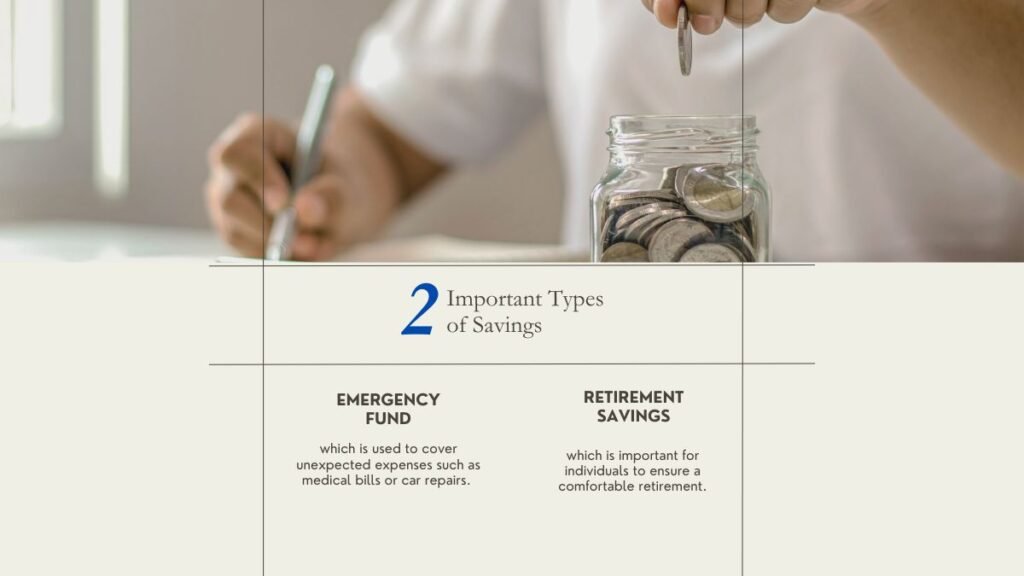
A financial buffer — even a small one — is a powerful form of self-care.
This could be:
- £100 set aside
- one month of basic expenses
- a separate savings account in your own name
The goal is not to be “fully secure” overnight. The goal is to reduce vulnerability step by step.
3. Learn Money Basics at Your Own Pace

You don’t need to become an expert.
Financial self-care includes learning:
- what savings accounts do
- how pensions work
- what investing actually means
- how long-term wealth grows slowly
Learning removes fear. Fear thrives in confusion. Choose simple explanations. Avoid loud, rushed advice.
4. Separate Money From Self-Worth
Many women carry shame around money.
Financial self-care means understanding:
- struggling with money is not a moral failure
- not knowing is not the same as being incapable
- your worth is not measured by income or net worth
Money is a tool — not a judgement of character.
5. Build Systems That Work Without Constant Effort
Self-care is about reducing mental load.
Helpful systems include:
- automatic savings
- simple budgets
- regular check-ins (monthly, not daily)
- long-term investing rather than constant decisions
The less you have to “think” about money every day, the calmer you feel.
6. Protect Yourself Financially
Financial self-care includes protection.
This might mean:
- having money in your own name
- understanding joint accounts
- knowing where important documents are
- planning for “what if” scenarios
Protection does not mean expecting the worst.
It means being prepared without fear.
7. Think Long-Term, Not Urgently
Urgency creates bad decisions.
Financial self-care encourages:
- slow growth
- long-term thinking
- patience
- consistency.
You don’t need fast results. You need steady progress.
Financial Self-Care Is a Practice, Not a One-Time Fix
Just like mental or emotional self-care, financial self-care is ongoing.
Some seasons will feel easier.
Others will feel heavy.
The goal is not to eliminate stress completely — it’s to reduce it enough that you can breathe.
Final Thought: Calm Is a Form of Wealth
You don’t need to hustle, panic, or compare yourself to others to be financially well.
True financial self-care helps you:
- move through life with more confidence
- make decisions without fear
- protect your future quietly
- feel grounded rather than overwhelmed
That calm matters.
And it compounds over time.
Related Posts:
Financial Freedom Over Designer Bags: The New Definition of Wealth
Investing for Beginners in the UK: A Guide for Stay-at-Home Mums Who Think They Can’t Afford It
How to Start Investing in the UK With Just £50 a Month (A Stay-at-Home Mum’s Honest Guide)
How Stay-at-Home Mums Can Build Retirement Savings in the UK

Hi, I’m a stay-at-home mum of two based in the UK, passionate about personal finance, intentional living, and building wealth without obsessing over money. I believe investing isn’t just about growing money- it’s about creating more time freedom and the ability to live life more intentionally. Through Mindful Money Growth, I share realistic money tips, mindset shifts, and simple investing ideas for everyday women and mums in the UK.