

Let’s get one thing straight before we dive in.
When people search for frugal living tips, they often picture extreme couponing, never spending money on anything fun, or driving across town to save a few pennies. But that is not what real frugal living looks like.
Frugal living is not about being cheap. It is not about driving an extra three miles to save 2p on petrol, wearing clothes that do not fit because they were reduced, or cutting every single thing that brings you joy. That is not frugality. That is misery dressed up as a money tip.
Real frugal living is about being intentional. It is about knowing exactly where your money goes and deciding on purpose what it does for you.
Think of your money like a pie cut into slices. Each slice has a job. One slice pays the bills. One slice builds your emergency fund for the boiler that breaks in January, the car that needs a new tyre, or the school trip email that lands in your inbox on a Monday morning with a two-week deadline. One slice invests quietly in the background, growing your future wealth while you get on with your life. One slice is guilt-free spending on things that genuinely bring you happiness.
When you live this way, you are not restricting yourself. You are in control.
I have been living this way for years and honestly, half the time I do not even think of it as frugal living. It is just life. Living in a modest home, driving a 13-year-old car that I bought for £5,000 cash and still runs perfectly, using a five-year-old iPhone that does everything I need it to do, cooking from scratch every day, and buying second-hand without a second thought.
And here is the thing. The money I am not spending on car finance, annual phone upgrades, and designer labels is quietly being invested and building wealth in the background.
That is the entire point of this.
So here are 101 frugal living tips that actually work. Not extreme. Not embarrassing. Not the kind that wastes your time to save pennies. Just smart, intentional habits that, over time, genuinely change your financial life.
Table of Contents
Money Mindset

1. Get clear on your why
Before you change a single spending habit, sit down and ask yourself what you actually want your life to look like. For me, it is freedom. Time freedom. Living life on my own terms. Not having to ask a boss for permission to take a holiday or wait on someone else’s approval to help a sick relative.
Your reason may be completely different. For you, it could be building an emergency fund so that the next unexpected bill does not send you into panic mode. It could be paying off debt faster so you can enjoy greater peace of mind. For others, it might be becoming work-optional, creating long-term financial security for their family, or simply sleeping better at night knowing they have money set aside for the future.
When you know what you are working towards, every intentional money decision feels like progress rather than sacrifice. Without a why, frugal living feels like punishment. With one, it feels like power.
2. Stop comparing yourself to others
Everybody has their own lane. The neighbour with the brand new car might have the finance payment to go with it. The friend carrying the designer bag might still be paying it off. Your life is completely different from everyone else’s and that is not a problem. It is an advantage if you use it wisely. Stay in your lane and keep building.
3. Understand that frugality is not restriction
It is intention. You are not saying no to everything. You are saying yes to the things that matter most and redirecting money away from the things that do not. There is a big difference between the two.
4. Give every pound a job
When money comes in, decide immediately what each portion does. Bills, emergency fund, investments, short-term savings, fun money. When money has a clear purpose, it stops leaking. A pound with no purpose tends to disappear.
5. Know the difference between cheap and frugal
Cheap is buying the £15 shoes that fall apart after three months. Frugal is buying the quality pair secondhand for £40 that would have cost £125 new and will last you years. Cheap actually costs you more in the long run. Frugal costs you significantly less. They are not the same thing at all.
6. Protect your goals from other people’s lifestyles
If everyone around you is constantly upgrading, splurging, and keeping up appearances, it is very hard to stay focused on your own path. You do not have to cut people off dramatically, but be honest with yourself about whose company makes you feel behind, inadequate, or pressured to spend. Reduce that influence wherever you can and spend more time with people whose values align with yours.
7. Reframe what wealth actually looks like
Wealth is not a flashy car on a five-year finance agreement. It is options. It is being able to say no to a job you hate. It is having investments growing quietly. It is the fund that means the school trip email never comes with the guilt of wondering whether you can afford to send your child. Real wealth is quiet. Most people who look wealthy on the outside are not building anything. Most people quietly building wealth do not look wealthy at all.
8. Do a full financial audit
Sit down with your bank statements and go through every single transaction. No judgment, just honesty. Where is the money actually going? For most people, the biggest leaks are takeaways, forgotten subscriptions, and eating out more than they realise. You cannot fix what you cannot see. This one exercise alone can change everything.
9. Know that small amounts invested consistently build serious wealth
The money you free up by living intentionally is not just saved money. It is potential investment money. Compound interest rewards consistency above all else. Starting small and starting now is infinitely better than waiting until you have more. Time in the market is the thing that cannot be bought back.
10. Think in terms of freedom, not deprivation
Every large monthly payment you take on, whether it is car finance, a phone on contract, or a buy-now-pay-later agreement, is a delay to your freedom. Every unnecessary subscription is a small monthly tax on your future. Ask yourself before every big financial commitment: is this worth the time it will cost me?
Food and Grocery Shopping
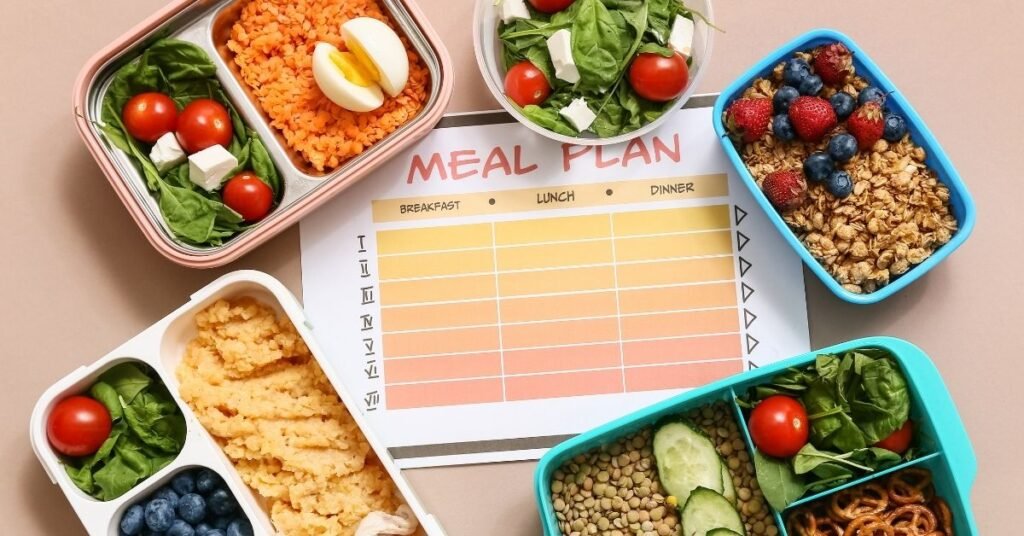
11. Meal plan every single week
Write down what you will eat from Monday to Sunday before you go anywhere near a supermarket. Then shop only for what is on that list. This single habit eliminates food waste, kills impulse buying, and makes your grocery bill completely predictable. It sounds simple because it is. But most people are not doing it consistently.
12. Cook once, eat twice
Make a large dinner every evening and pack the leftovers for lunch the next day. You are already cooking, so you are not spending extra time. You are just making a bigger batch. During the week, this means you cook once a day and lunch is already handled. When my husband is away for work, I cook even less because there are fewer mouths to feed and the savings are noticeable straight away.
13. Build meals around staple foods
Rice, lentils, oats, eggs, tinned tomatoes, pasta, flour. These are cheap, filling, nutritious, and endlessly versatile. Build your meals around them and use meat and more expensive ingredients as sides or additions, not the main event.
14. Try dal if you never have
Dal is a staple dish from South Asian cooking. It is made from lentils or split peas, slow cooked with spices into a thick, warming, deeply satisfying stew. It is high in protein, incredibly filling, and costs almost nothing to make. A 5kg bag of lentils is one of the most economical purchases you will ever make. Serve it with rice and a simple vegetable side and you have a nutritious, complete meal for a fraction of what a meat-based dinner would cost. If you have never cooked it, look up a simple recipe and try it once. It might just become a weekly staple.
15. Buy rice and lentils in bulk
A 10kg bag of rice from an Asian grocery store, or from the world foods aisle in Asda or Tesco, costs between £14 and £18 depending on where you shop and what promotions are running. For a family that eats rice regularly, this can last up to two months. Compare that to buying small bags every week and the saving over the course of a year is significant. The same applies to lentils, flour, and other dry staples.
16. Reduce how much meat you buy
Try two or three meat-free days per week. Better still, do one full weekly shop buying only fruit and vegetables and compare the receipt to a normal meat-heavy week. The difference will genuinely surprise you. Meat is one of the most expensive items in any weekly shop. Lentils, eggs, beans, chickpeas, and tofu are all high in protein and cost a fraction of the price.
17. Shop at Aldi first
Aldi is consistently cheaper than Tesco and Sainsbury’s for the majority of your grocery shop, even accounting for Clubcard prices. Fresh vegetables, dairy, eggs, tinned goods, and basics are all noticeably less expensive. There may be certain things you prefer to buy elsewhere and that is completely fine. But start at Aldi and top up from other supermarkets rather than the other way around. Your receipt will tell the difference immediately.
18. Never shop hungry
Everything looks appealing when you are hungry and your willpower is low. Eat before you go and take your list. This is one of the oldest pieces of grocery advice in existence and it still works.
19. Always pack food and snacks when you go out
Children get hungry the moment they leave the house. Pack sandwiches, rolls, wraps, fruit, and snacks before any family day out. Museums, parks, nature walks. The food cost on a day out when you are buying at cafes can easily double what the day actually costs. A packed bag keeps everyone fed, happy, and means you are not paying cafe prices for a sandwich that took you five minutes to make at home.
20. Reuse takeaway containers
Do not throw away takeaway boxes. Wash them and use them to store leftovers in the fridge or freezer. They are sturdy, stackable, and free. There is absolutely no need to spend money on Tupperware when perfectly good containers come with your occasional Friday night takeaway.
21. Freeze before it goes off
Bread going stale, bananas going brown, meat approaching its use-by date. Freeze it before it goes off and use it when you need it. Frozen food is not lesser food. It is money saved and waste prevented.
22. Learn the difference between use-by and best-before
Use-by dates are safety dates. Best-before dates are quality dates. Food past its best-before is almost always perfectly fine to eat. Throwing away food because of a best-before date is throwing away money. Learn the difference and use it.
23. Batch cook and freeze portions
When you have a bit of extra time, make double or triple portions and freeze the rest in meal-sized containers. On the evenings when you are exhausted and tempted to order a takeaway, having a home-cooked meal in the freezer ready to go is what saves you.
24. Shop the supermarket perimeter first
Fresh produce, meat, dairy, and bread live around the edges of most supermarkets. The middle aisles are full of heavily processed, heavily packaged products at heavily inflated prices. Do your main shop around the perimeter and only go into the middle aisles for specific things on your list.
25. Buy own-brand for basics
Tinned tomatoes, flour, sugar, butter, oil, pasta, rice, oats, washing up liquid. The own-brand versions are almost always identical in quality to the branded versions and cost noticeably less. Try them before assuming they are inferior. Save your branded preferences for the few things where you genuinely notice a real difference.
26. Plan your meals around what is on offer that week
Before you write your meal plan, check your supermarket’s weekly deals. If chicken thighs are reduced, build a couple of meals around chicken. If certain vegetables are on promotion, use them as the base. Let the deals guide the menu rather than the other way around.
27. Grow something at home
Even with no garden, a pot of herbs on a windowsill saves you repeatedly buying fresh herbs in those small supermarket packets. Basil, mint, chives, and parsley are all easy to grow indoors and surprisingly expensive to keep buying weekly.
28. Have a fridge raid night
Once or twice a week, eat up whatever is in the fridge before it goes off. No new cooking, no extra shopping, no waste. Call it leftovers night, fridge raid night, or whatever makes it feel like less of a chore. It is one of the simplest ways to reduce your food waste and your weekly spend.
29. Make your own sauces and marinades
Jarred pasta sauces, stir-fry sauces, and marinades cost several pounds each and are mostly water, sugar, and oil. Making your own from basics costs a fraction of the price and takes minutes once you know what you are doing.
30. Drink more water
Fruit juices, fizzy drinks, flavoured waters, and daily coffee shop visits add up considerably over a month. Water costs almost nothing from the tap. Switching to water as your main drink during the week makes a measurable difference to your grocery bill and is better for your health at the same time.
Shopping and Clothing

31. Check Vinted before you buy anything new
Before you buy any item of clothing or footwear new, check Vinted first. You can find high quality, barely worn items for a fraction of the original retail price. A pair of Veja trainers in excellent condition on Vinted can cost £40. The same pair new would be £125. Nobody looking at your feet will know the difference, and honestly, even if they did, the people who would judge you for it are not worth worrying about.
32. Sell on Vinted too
Your outgrown children’s clothes and shoes, the items you no longer wear, bags and accessories sitting in a drawer. List them on Vinted. It takes a few minutes per item and puts real money back into your pocket for things that are otherwise just taking up space.
33. Build a capsule wardrobe
A capsule wardrobe is a small, intentional collection of clothes that all work together. Start with three or four core colours that coordinate with each other. Beige, black, navy, and white are a strong starting point. When every item in your wardrobe goes with every other item, you always have something to wear despite owning far less.
One surprising benefit is that the frustrating feeling of standing in front of a wardrobe packed with clothes and thinking, “I have nothing to wear” starts to disappear. Because everything works together and suits your style, getting dressed becomes quicker and easier. The result is less shopping, less decision fatigue every morning, and considerably more money staying in your account.
34. Clear your wardrobe out properly
Remove everything you have not worn in the past two years. Do not keep things for a future version of yourself. Clothes you are saving for when you lose or gain weight are taking up space, making your wardrobe feel full, and giving you nothing to wear right now. Sell what you can on Vinted or eBay. Donate the rest.
35. Buy quality over quantity
A good cashmere jumper bought secondhand or in a sale will last you years if you look after it properly. Wash it according to the label, store it in an airtight bag to protect it from moths, and use a fabric bobble shaver to keep it looking fresh and new. One quality piece that serves you for five years is far cheaper and far better than five cheap pieces that bobble, shrink, and fall apart within months. Do not buy cheap clothing to save money. Buy less, buy better.
36. Think in cost per wear
Divide the price of any item by how many times you will realistically wear it. A £180 coat you wear every day from October to March for three years has a cost per wear of just a few pence. A £25 top you wear twice and never reach for again costs over £12 per wear. Cost per wear is the real measure of value in clothing and it changes the way you shop completely.
37. Know your personal style and stick to it
When you know exactly what suits you and what you will actually wear, you stop buying things on impulse that never quite work. Decision paralysis in front of a wardrobe full of clothes is a sign that most of those clothes do not really belong there. A clear, consistent personal style is one of the most practical money-saving tools you have.
38. Add interest with accessories rather than new clothes
A neutral capsule wardrobe does not have to be boring. Add a colourful scarf, a statement bag, or interesting jewellery to completely change the look of the same outfit. Accessories are far cheaper than buying new clothes and take up almost no space.
39. Research secondhand gadgets thoroughly before buying
Buying secondhand phones, laptops, and tablets from reputable platforms like Back Market can save you hundreds of pounds. Do proper research before committing. Check condition ratings, read reviews, and understand exactly what you are getting. Devices listed as excellent condition look and feel like new. A Mac laptop in excellent condition from Back Market at £700 performs just as well as one bought new at more than twice the price. And nobody asking to borrow your laptop is going to know where it came from.
40. Keep your phone until it actually stops working
A phone that makes calls, sends messages, takes photos, runs your apps, and lets you check your emails is a working phone. The fact that a newer model exists is not a reason to replace it. My iPhone is five years old and does everything I need. There are no plans to change it until it genuinely cannot do what I need, or it breaks completely.
41. Buy secondhand furniture before buying new
Facebook Marketplace, Gumtree, and Freecycle are full of perfectly good furniture that people are giving away or selling for very little. A coat of paint or a light sand can transform something that looks dated into something you genuinely love. Solid wood furniture in particular is often far better quality secondhand than flat-pack furniture bought new.
42. Wait 48 hours before buying anything unplanned
If you see something you want that is not on your list, wait two days before buying it. If you still want it after 48 hours, it might genuinely be worth considering. Most impulse purchases lose all their appeal within a day. This one habit alone can save you a significant amount over a year.
43. Use eBay for specific items you are looking for
For electronics, homeware, books, and branded items, eBay often has exactly what you are looking for at a fraction of the new price. Use the sold listings filter to see what things are actually selling for before you bid or buy.
Bills, Subscriptions, and Household Costs

44. Never let any bill auto-renew without checking it first
Insurance, broadband, energy, phone contracts. Every time a renewal comes up, compare prices before accepting anything. Loyalty is rarely rewarded by providers. They save their best deals for new customers. A quick comparison on a price comparison site takes twenty minutes and can save you hundreds of pounds a year, sometimes more.
45. Cancel every subscription you are not using
Go through your bank statements and list every recurring payment. Then ask yourself honestly when you last used each one. If you cannot remember, cancel it immediately. A £9.99 monthly subscription you do not use costs you nearly £120 a year for absolutely nothing.
46. Be strategic with Amazon Prime
Subscribe when you have a batch of purchases coming up and the cost of the subscription is clearly justified by what you are buying. Once you have made those purchases, cancel it. Subscribe again next time you need it. You do not need to pay for it every month of the year.
47. Switch energy providers when your fixed term ends
Do not stay on a standard variable tariff out of inertia. When your fixed term ends, use a comparison site to find a better deal. Even a modest saving per month adds up meaningfully over the course of a year.
48. Turn lights off when you leave a room
It sounds almost too simple to mention. But it works, and most households still do not do it consistently.
49. Unplug devices that are not being used
Many devices draw power even when switched off but still plugged in. Phone chargers left in sockets, televisions on standby, games consoles in rest mode. Unplugging them when not in use costs you nothing and reduces your electricity bill without any real inconvenience.
50. Switch to LED bulbs throughout your home
LED bulbs use a fraction of the electricity of traditional bulbs and last considerably longer. Replace them as old ones blow rather than all at once to spread the cost.
51. Use draught excluders on external doors
Heat escaping under doors is money leaving your home. A draught excluder costs very little and makes a noticeable difference to how warm a room stays and how hard your heating has to work to maintain that temperature.
52. Close curtains at dusk in winter
Thick curtains keep heat in during colder months. Open them fully during the day to let in natural light and any warmth from the sun. Close them at dusk. This is free insulation and free lighting combined.
53. Compare car insurance every single year without exception
Never accept your renewal quote. Use comparison sites, try going directly to insurers who do not appear on comparison sites, and spend half an hour shopping around. The savings can be genuinely significant, especially if your circumstances have changed at all.
54. Pay all bills on time
Late payment fees and penalty charges are money thrown straight away. Set up payment reminders, use a bills calendar, or set up direct debits for fixed monthly bills so you never miss a date.
55. Make your own cleaning products
White vinegar diluted with water in a spray bottle cleans windows, surfaces, and mirrors effectively. Bicarbonate of soda is an excellent scrubbing agent and natural deodoriser. These cost almost nothing and replace several products that cost multiple pounds each.
56. Check your water usage habits
Shorter showers, turning off the tap while brushing teeth, fixing dripping taps. None of these are dramatic lifestyle changes but they reduce your water usage and your bill over time.
Transport
57. Buy a secondhand car outright if you possibly can
Car finance is one of the biggest monthly drains on household budgets and one of the least talked about. If you can save and buy a reliable secondhand car outright, even if it takes time, you eliminate that monthly payment entirely. I bought my car for £5,000 cash. It is now thirteen years old. I have been driving it for eight years. It still runs well and there are no plans to upgrade it. The money saved on finance payments over those eight years has gone somewhere far more useful.
58. Keep your car for as long as it runs reliably
A car that works is a car worth keeping. The urge to upgrade is driven almost entirely by lifestyle pressure, not necessity. Resist it. Maintain the car you have and it will serve you for far longer than you might expect.
59. Walk short distances instead of driving
If somewhere is within a reasonable walking distance, walk. It costs nothing, requires no parking, keeps you active, and the fuel savings accumulate quietly over time.
60. Keep up with basic car maintenance
Regular servicing, correct tyre pressure, and dealing with small issues before they become large ones. Maintaining a car properly is far cheaper than fixing it when it eventually breaks down from neglect. It also extends the life of the vehicle significantly.
61. Calculate the full cost before assuming the car is always cheapest
For some journeys, driving costs more than public transport once you factor in fuel, parking, and wear and tear. For others, the car is clearly cheaper. Do the actual calculation rather than assuming.
Children and Family

62. Prioritise free and low cost activities for children
Museums, parks, nature walks, libraries, and playdates at home cost very little or nothing at all. Children do not need expensive days out to build wonderful memories. What they genuinely need is time and attention, both of which cost nothing.
63. Read together as a family
Bedtime reading costs nothing beyond a library card. A story told by a parent is irreplaceable. Beyond the obvious money saving, children who are read to regularly develop better language skills, stronger imagination, and a lifelong relationship with books. This is one of the best free investments you can make in your child.
64. Buy children’s clothing and shoes secondhand
Children grow so fast that clothes and shoes are often barely worn before they are outgrown. Vinted, charity shops, and Facebook Marketplace are full of high-quality children’s clothing at a fraction of the new price. Buy secondhand, sell when outgrown, and repeat the cycle. The net cost of clothing your children this way is a small fraction of buying new every season.
65. Host people at home instead of eating out
Invite friends over and cook together instead of meeting in restaurants. The children get quality time together. The adults get a proper catch-up without background noise, a rush to vacate for the next booking, or a bill that makes you wince. A home cooked meal for a group costs a fraction of what the same gathering would cost at a restaurant.
66. Pack food for every family day out
This deserves repeating because it makes such a tangible difference. Children get hungry the moment they arrive somewhere exciting. Having a bag of sandwiches, fruit, and snacks means you are never caught out, never paying cafe prices out of desperation, and never dealing with a meltdown caused by hunger when you are out.
67. Start a Junior ISA for your children early
The money you free up through intentional living can go directly into a Junior Stocks and Shares ISA. The earlier you start, the more time the money has to grow. Small, consistent monthly contributions started early can grow into a life-changing sum by the time a child reaches eighteen. Time is the greatest advantage a child investor has and it cannot be bought back later. If you want to know exactly how to set one up and which fund to choose, I have written a full guide here: How to Invest for Your Children in the UK: A Simple Junior ISA Strategy for Mothers.
Saving and Investing

68. Build your emergency fund before anything else
Before you invest, before you save for a holiday, before you do anything else with surplus money, build an emergency fund. Three to six months of essential expenses kept in an easy-access savings account. This is the money that means a broken boiler, a car repair, a new washing machine, or an unexpected period without income does not destroy your finances. Without it, every emergency goes on a credit card. With it, you handle the unexpected without panic. If you are on a low income and not sure where to begin, I have written a full practical guide on exactly this: How to Start an Emergency Fund on a Low Income in the UK.
69. Automate your savings the moment money arrives
Set up a standing order that moves money into your savings account on the day you get paid. Before you see it, spend it, or talk yourself out of it, it has already moved. Pay yourself first and adjust your spending to whatever remains. This is the single most effective savings habit there is.
70. Invest consistently, even if the amounts feel small
Frugal living is not the destination. It is the vehicle. The money you free up by living intentionally should be going to work for you. A Stocks and Shares ISA is one of the most tax-efficient ways to invest in the UK. You do not need large amounts to get started. Consistency over time is what builds real wealth. If you want to see exactly how to start investing in the UK with as little as £50 a month, even as a stay-at-home mum with no income of your own, read this: How to Start Investing in the UK With Just £50 a Month.
71. Use your annual ISA allowance
Every UK adult has an annual ISA allowance. Money invested inside an ISA grows free from income tax and capital gains tax. Use as much of it as you can each year. Do not leave this advantage on the table.
72. Do not leave large amounts sitting in a current account
Money sitting in a current account is losing value in real terms because of inflation. Move anything above your monthly buffer into a high interest savings account or your ISA. Make your money work rather than sitting idle.
73. Put windfalls straight into savings or investments
Tax refunds, birthday money, unexpected bonuses. You were managing perfectly fine without that money before it arrived. Treat it as if it still does not exist and put it directly into your savings or investments. This is how financial positions improve faster than expected.
74. Track your net worth regularly
Your net worth is your total assets minus your total debts. Tracking it every month or quarter, even roughly, shows you clearly whether you are moving in the right direction. Watching that number grow, even slowly, is one of the most motivating things you can do for your financial habits.
75. Start a pension as early as possible
If you are employed, make sure you are contributing to your workplace pension and that you are not leaving any employer match on the table. If you are self-employed or a stay-at-home parent, look into a personal pension. Even small contributions started early benefit enormously from compound growth over decades. For stay-at-home mums who are not sure how to build retirement savings without a traditional income, I have written a full guide here: How Stay-at-Home Mums Can Build Retirement Savings in the UK.
Gifting and Social Life
76. Give thoughtful gifts rather than expensive ones
A handwritten note, a home-cooked meal, a voucher for your time and help with something practical. These things cost very little money and often mean considerably more than another item bought in a rush. Cost and thoughtfulness are not the same thing and rarely have been.
77. Set a clear gift budget for birthdays and Christmas
Decide at the start of each year what you will spend on each person and commit to it. The pressure to spend more than you can afford on gifts is entirely social in origin, not real. Nobody is entitled to a gift beyond your means.
78. Buy gift wrap, bags, and cards in post-holiday sales
Christmas cards, gift bags, wrapping paper, and tissue paper are dramatically discounted immediately after the occasion. Buy them then for the following year. This is one of those small habits that adds up quietly.
79. Reuse gift bags and tissue paper
A gift bag that arrives at your door in good condition can go out again with your next gift. Keep them. Most people do the same.
80. Socialise at home as a default
Meeting friends at a restaurant or bar is expensive. Inviting them to your home costs far less, is often more relaxed, and allows for the kind of conversation that is impossible over background music and table service. Cook something you enjoy making and let the evening be about the company, not the bill.
Health and Personal Care

81. Use up every product completely before buying a replacement
Cut open tubes of face cream, hand cream, and toothpaste. There is always significantly more left than you think. Add a little water to the last of a shampoo bottle and shake it. Do not throw money away because accessing it requires an extra step.
82. Try own-brand personal care products
Supermarket own-brand shampoo, conditioner, moisturiser, and body wash are very often made in the same facilities as the branded versions with nearly identical formulations. Try them before dismissing them. Some will work just as well. Some you will prefer to stay branded. But you will not know until you try.
83. Check whether you qualify for an NHS prescription prepayment certificate
If you regularly pay for NHS prescriptions, a Prescription Prepayment Certificate (PPC) could reduce your costs. Instead of paying for each prescription separately, you pay a fixed fee that covers all your NHS prescriptions for a set period. It’s worth checking whether a PPC would save you money based on how many prescriptions you need each year.
84. Use your local library
Books, audiobooks, DVDs, magazines, and access to digital borrowing apps. All free with a library card. Before you buy a book, check the library. Before you subscribe to an audiobook service, check whether your library’s app already has it.
85. Exercise without a gym membership
Walking, running, cycling, bodyweight workouts at home, YouTube yoga, and free fitness apps cover everything a gym covers and cost nothing or close to nothing. If you already have a gym membership, calculate your average cost per visit over the last three months. If it is high, that money could be working elsewhere.
Home and Energy
86. Learn basic home repairs from YouTube
A leaking tap, a stiff door, a cracked tile, a dripping showerhead. YouTube will show you how to fix almost anything in your home. Calling a tradesperson for every small job adds up fast. Learning to handle minor repairs yourself saves those call-out fees repeatedly.
87. Declutter and sell before you buy anything new for the home
Before buying any new homeware, furniture, or storage, go through what you already have. Sell what you no longer need on Facebook Marketplace or Gumtree. Use the proceeds towards what you actually want and start with a clearer space.
88. Borrow before you buy tools or equipment
If you need a drill, a specific kitchen appliance, or a piece of equipment for a one-time job, ask a friend or neighbour before buying one. Tools and equipment bought for single use rarely justify the purchase price.
The Bigger Picture

89. Live below your means on purpose
Not because you have to, but because you choose to. The gap between what you earn and what you spend is where wealth is built. Everything else is just noise. Widen that gap wherever you honestly can and put the difference to work.
90. Resist lifestyle inflation when your income rises
When your income increases, resist the immediate urge to increase your spending to match. Keep your essential expenses stable and direct the increase towards savings and investments first. This is how ordinary incomes build extraordinary outcomes over time.
91. Question designer purchases honestly
There is nothing wrong with a well-made quality item that costs more. But buying something primarily for the label is paying a significant premium for someone else’s marketing budget. Ask yourself honestly before any luxury purchase: what am I actually paying for here, and is it the thing itself or the name on it?
92. Never feel you owe anyone an explanation for how you live
Nobody needs to know that your laptop is secondhand, your car is thirteen years old, or that you meal plan every Sunday. You owe no one a justification for living differently from those around you. People who judge you for it are simply not your people.
93. Understand that every pound saved and invested buys back a piece of your time
Every unnecessary monthly payment delays your freedom by a little. Every pound invested moves you a little closer to it. Keep that framing in mind when financial decisions feel like they are asking you to give something up. They are not. They are asking you to choose what you actually want.
94. Use cashback sites for purchases you are already making
TopCashback and Quidco are the main cashback platforms in the UK. For purchases you are going to make anyway, going through a cashback site costs you nothing extra and returns real money. It is not a reason to spend more. It is just a sensible habit for spending you were already going to do.
95. Always search for a discount code before checkout
Before completing any online purchase, spend sixty seconds searching for a discount or promo code for that retailer. They are not always available but when they are, it is the easiest saving you will ever make.
96. Use loyalty cards and points strategically
Tesco Clubcard, Nectar, and similar programmes earn you points on spending you are already doing. Understand how to get the most value when redeeming them, as some redemption options are worth significantly more than others.
97. Look into current account switching bonuses
Several UK banks offer cash bonuses ranging from £100 to £200 or more for switching your current account to them. If your current bank is offering you nothing of value, a switch can put real money in your pocket for a couple of hours of admin.
98. Review your full financial picture every quarter
Sit down every three months and look at everything. Are your savings goals on track? Have any new subscriptions appeared? Is your emergency fund where it needs to be? Are your investments still aligned with your goals? A quarterly review keeps everything moving in the right direction and nothing slipping through unnoticed.
99. Talk to your children about money in a positive and age-appropriate way
Children who grow up understanding that money is a tool with purpose, that spending intentionally is something to feel good about, and that saving and investing are normal adult habits, are set up for a very different financial future than those who are not. These conversations do not have to be heavy. They just have to happen.
100. Remember that this is not about restriction forever
As your income grows, your investments compound, and your financial foundation strengthens, some of the more careful habits become less necessary. The goal is not to live on the tightest possible budget for the rest of your life. The goal is to build something solid that gives you genuine choices. Frugal living is the path. Freedom is the destination.
101. Start today, with one thing
Not next month. Not when things settle down. Not after the next payday. Today. Pick one tip from this list and act on it right now. Cancel one subscription. Write this week’s meal plan. Check Vinted before your next clothing purchase. Open an ISA. Set up a standing order to savings for even a small amount.
Small actions done consistently are how everything changes. You do not need to overhaul your entire life today. You just need to begin.
Frequently Asked Questions About Frugal Living
What is frugal living?
Frugal living means spending intentionally, avoiding waste, and focusing your money on what matters most.
How can I start living frugally?
Start by meal planning, reviewing subscriptions, reducing impulse purchases, and creating a budget.
Does frugal living mean being cheap?
No. Frugal living is about getting value from your money, not always choosing the cheapest option.
How much money can frugal living save?
The amount varies, but many households save hundreds or even thousands of pounds each year by making small, consistent changes.
Please note: I am not a financial adviser. Everything in this article is based on my own personal experience, research, and what has worked for my family. Please do your own research before making any financial decisions and seek professional financial advice where appropriate.

Hi, I’m a stay-at-home mum of two based in the UK, passionate about personal finance, intentional living, and building wealth without obsessing over money. I believe investing isn’t just about growing money- it’s about creating more time freedom and the ability to live life more intentionally. Through Mindful Money Growth, I share realistic money tips, mindset shifts, and simple investing ideas for everyday women and mums in the UK.